

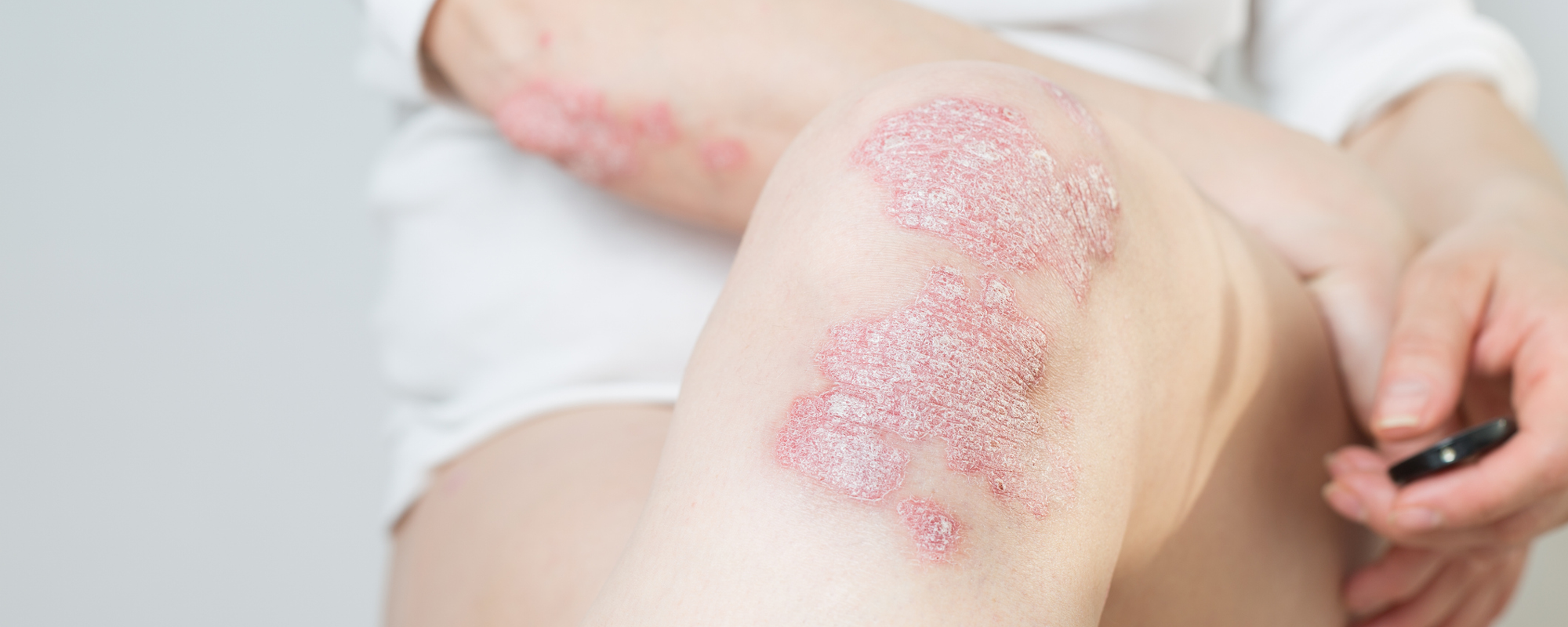
Psoriasis
Psoriasis is a chronic inflammatory skin condition that affects around 1 in 40 Australians. It occurs when skin cells build up too quickly on the surface of the skin, causing dry, thick and inflamed patches.
Effective treatments are available, but psoriasis can be persistent. Depending on its severity, it can cause emotional distress and significantly affect quality of life.
Symptoms
People with psoriasis may experience:
- red, raised or inflamed patches of skin
- flaky or silvery scales
- dry, cracked or sore skin
- itching, burning or discomfort
- symptoms that come and go in flare-ups
Psoriasis can affect different parts of the body including the scalp, elbows, knees, lower back and nails. Some people may also experience joint pain associated with psoriatic arthritis.
Psoriasis is not contagious and cannot be spread from person to person.
Causes
The exact cause of psoriasis is not fully understood, however it is considered an immune-mediated condition where the immune system speeds up the skin renewal process. Genetics can also play a role, with psoriasis often occurring in families.
Certain triggers can worsen symptoms or contribute to flare-ups, including:
- stress
- illness or infections
- smoking
- alcohol
- skin irritation or injury
- sunburn
- hormonal changes
- some medications
Lifestyle options
Treatment and management of psoriasis aims to reduce flare-ups, soothe irritation and support the skin barrier.
Simple daily habits that may help include:
- moisturising daily to help prevent dryness
- taking short, warm showers instead of hot showers
- avoiding harsh soaps, fragrances and irritating skin products
- avoiding scratching affected areas
- wearing loose, comfortable clothing
- maintaining a healthy weight
- managing stress where possible
- avoiding smoking and limiting alcohol intake
Bathing should be brief and in warm water to help avoid further drying the skin. Soap-free or fragrance-free cleansers may help reduce irritation. Moisturiser should be applied after bathing while the skin is still slightly damp to help lock in hydration.
Keeping skin hydrated is an important part of psoriasis management, even during periods where symptoms improve.
Pharmacy options
Always inform pharmacy staff if you are taking any other medicines or have any other health conditions, as some treatments may not be suitable for you.
Pharmacists can assist with advice and support for psoriasis management, including:
- moisturisers and emollients to help hydrate and protect the skin barrier
- topical treatments to help reduce inflammation and irritation
- gentle, fragrance-free skin care recommendations
- scalp psoriasis support products
- advice on identifying flare-up triggers
Some people may require prescription treatments from a doctor, including corticosteroid creams, vitamin D-based treatments, phototherapy or other prescription medicines.
Recommended Products
The Cetaphil Pro range has been specifically developed for sensitive and condition-prone skin, offering gentle, fragrance-free cleansers and moisturisers that support the skin’s natural barrier without aggravating inflammation. During a flare, regular application of Cetaphil Pro moisturisers can help lock in moisture, soothe irritation and improve the tolerability of prescribed topical treatments by softening plaques prior to application.
Between flare-ups, ongoing skin care is essential to help maintain healthy skin and minimise the risk of future flare-ups. Continuing to moisturise daily, even when skin appears clear, helps strengthen the skin barrier and may reduce the frequency and severity of future flare-ups. The Cetaphil Pro Eczema range is ideal for ongoing skin maintenance, providing soothing relief and lasting hydration to keep skin calm between flares.
Ask your pharmacist for advice on the most suitable treatment and skin care routine for you.
See a doctor if:
- symptoms are worsening or spreading
- the skin becomes painful, swollen or infected
- over-the-counter treatments are not helping
- psoriasis is affecting sleep, mental wellbeing or daily life
- joint pain or swelling develops
More Information:
Healthdirect Australia: https://www.healthdirect.gov.au
Psoriasis Australia: https://psoriasisaustralia.org.au
DermNet NZ: https://dermnetnz.org/topics/psoriasis
Disclaimer: The information provided is a guide only, is current at the time of publishing and is not intended to replace the advice of your pharmacist or doctor.
IN EMERGENCIES DIAL 000.